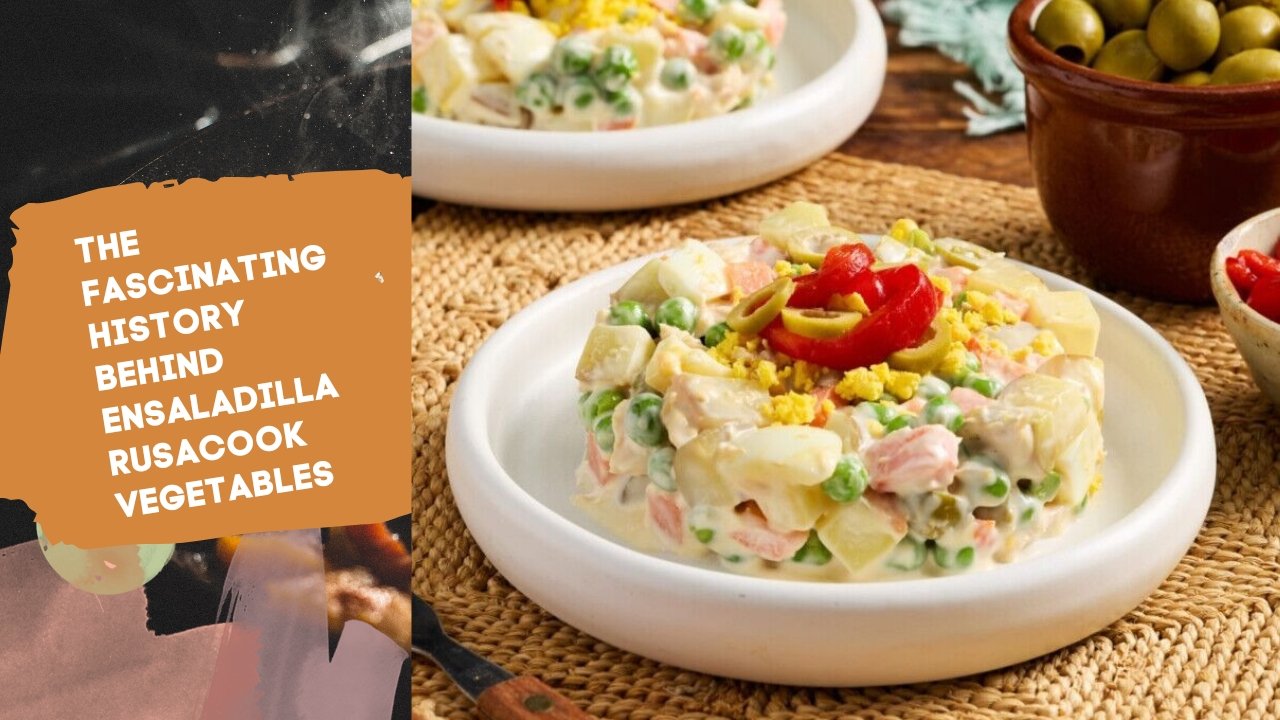
Ensaladilla Rusa, also known as Russian Salad,is a beloved dish found on countless small snack menus across Spain. Traditionally made with boiled potatoes, peas, carrots, mayonnaise, and sometimes tuna or eggs, this satisfying dish has become a core of Spanish cuisine and a favorite dish in summer across many Mediterranean countries. It is not just a dish, it’s a staple in tapas bars, family gatherings, and everyday meals, enjoyed coolness and comforting familiarity.
The origin of russian salad history is the Iberian Peninsula. Although its name clearly points to a Russian origin, its widespread popularity extends across Spain’s borders. The “Russian salad” is not just a small Spanish snack, it is also very famous in Portugal and other countries.
Actually, its story begins in the 19th century in Russia, where a French-Belgian chef in a Moscow restaurant first created it. As the time passed, the recipe evolved, crossing borders and adapting to local tastes until it became the comforting, crowd-pleasing version we know today.
In this blogpost, you will learn the history and easy recipe of Ensaladilla Rusa. I hope you will enjoy this. Lets get started!
Table of Contents
What Is Ensaladilla Rusa?
Ensaladilla Rusa, as a Russian Salad dish, is a creamy, cold salad distinguished by its finely diced ingredients and rich, mayonnaise-based dressing. Ensaladilla meaning true comfort food, often served as a small snack, a starter, or a light main course, popular during the warmer months due to its refreshing nature. Despite its name, the version most people today, especially in Spain, has taken a distinct identity that sets it different from its Russian ancestor.
Common Ingredients Include:
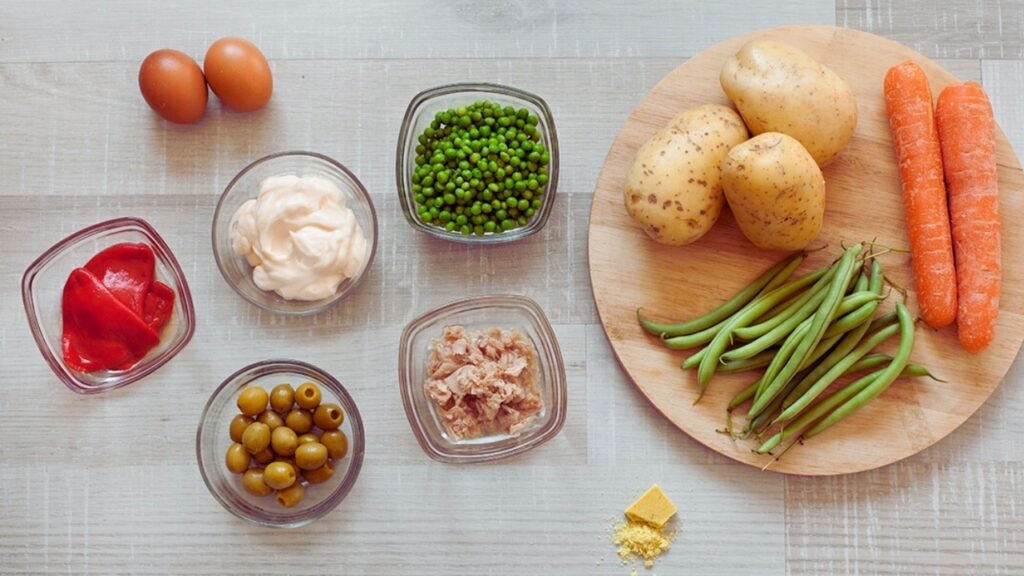
- Potatoes: It is a compulsory ingredient in salads. It should be cooked until firm enough to hold its shape when diced.
- Peas: peas contribute a fresh, slightly sweet taste.
- Hard-boiled Eggs: Chopped and sometimes cut into sections, they add richness and protein
- Carrots: Boiled and chopped carrots add a touch of sweetness and a beautiful color.
- Mayonnaise: It is the crucial and flavor ingredient, smoothly coating all the ingredients to create the Salad’s creamy texture.
Spanish versions:
- Chicken: Cooked chicken is a popular protein, particularly in some Latin American versions.
- Tuna: In Spain, the tuna is often packed in olive oil, which adds a spice, the salty depth.
It is served chilled and garnished with slices of eggs or red pepper strips.
Variations Across Regions:
- Spain: Ensaladilla Rusa is a tapas bar favorite, often served in small portions and garnished very well. Each region, and even each bar, has its own “secret” version.
- Middle East and parts of Eastern Europe: The Salad often includes cooked chicken, and dill pickles are made with sour cream in addition to mayonnaise.
- Russia: In Russia, its original version is known as Salat Olivier. This version tends to include diced ham, pickles, boiled eggs, and sometimes even caviar, giving it a unique flavor.
- In Latin America, The Salad is a staple at events like Christmas and family celebrations. Variants in countries like Argentina may include beets (giving the dish a pink hue), apples, or sweet corn for a touch of sweetness.
Origins: Where Did Ensaladilla Rusa Come From?
Although it has become a symbol of Spanish cuisine, Ensaladilla Rusa actually has its origin in 19th-century Russia, where it was originally conceived as a very special, fine-dining dish rather than the simple comfort food we know today. The creation of this humble dish is credited to Lucien Olivier, a Belgian French chef who operated one of Moscow’s most celebrated restaurants in the 1860s.
Lucien Olivier: The Man Behind the Salad
It was created by Lucien Olivier, a Belgian or French chef, who ran the Hermitage Restaurant in Moscow during the 1860s. It was within the limits of the Hermitage that he created his signature dish, initially known as “Salade Olivier.” It was not an ordinary potato salad; it was a dish fit for royalty and growing and expanding the Russian nobility.
The Original Recipe: A Far Cry from Today’s Salad
Narratives of past events and attempted recreations suggest it included:
- Grouse or other game meats: Often hazel grouse, even smoked duck, and veal tongue.
- Seafood: Crayfish tails were a common inclusion, and even lobster sometimes.
- Fresh vegetables: Except for potatoes, it presented crisp lettuce, capers, and olives.
- Aspic: A savory jelly used to bind and gloss the ingredients, representing its presentation as a more formal and molded dish.
- Caviar: A specialty of Russian luxury, providing a salty burst of flavor.
- A secret dressing: Olivier’s mayonnaise was a closely guarded secret, rumored to contain French wine vinegar, Dijon mustard, and the finest Provençal olive oil.
From Russia to Spain: How the Salad Traveled
Initially, “Salade Olivier” spread throughout Russia and into neighboring European countries, specifically in the upper classes, thanks to the fame of Russian cuisine and the mobility of high-class chefs and travelers.
How the Salad Spread Across Europe
The early 20th century was a period of political revolution in Russia. After the 1917 Russian Revolution, many chefs, aristocrats, and citizens emigrated to Western Europe with their cuisine. The Salade Olivier was one of those exported dishes. As the dish crossed the borders of France, Germany, and the Mediterranean, it was gradually simplified to suit local palates and ingredients.
The rare and expensive ingredients like grouse, caviar, and crayfish tails were slowly replaced with more accessible and affordable alternatives. The creamy coating was widely substituted with mayonnaise, a new principle in European kitchens. This was a natural process in which dishes are reinterpreted using locally available products.
As time passed, the Salad arrived in Spain, and it was no longer a meal of the elite but a versatile, everyday dish that anyone could enjoy.
The Simplified Spanish Version Emerges
In Spain, it became known as Ensaladilla Rusa, literally meaning “Russian little salad.” Early Spanish methods would have still been relatively close to the simplified European adaptations, so Spanish cooks gave it their twist, commonly using:
- Boiled potatoes and carrots
- Green peas
- Canned tuna or shredded chicken
- Mayonnaise
- Hard-boiled eggs or olives as garnish
Post-War Spain and the Power of Humble Ingredients
After the Spanish Civil War (1936–1939) and during the early years of Francisco Franco’s regime, Spain suffered from economic disengagement and a lack of food. The rich ingredients of the original Olivier Salad were entirely out of reach. Dishes that were nutritious, filling, and made with affordable ingredients became essential at that time.
Ensaladilla Rusa is perfectly fit for it. It used canned tuna and jarred mayonnaise along with basic vegetables that were easy to grow. It does not need any special equipment or advanced cooking skills to make a practical and comforting staple for families during that hard time.
“Busy nights deserve tasty rewards — these easy pork tenderloin recipes turn any weeknight into a delicious celebration.”
Spanish Adaptation: A Dish Reimagined
Spain wholeheartedly embraced and recreated it, and also transformed a Russian salad into an undeniable icon of Spanish cuisine. As time passed, the dish was reinterpreted, reinvented, and regionalized, becoming a small snack of everyday cuisine and a centerpiece of tapas culture.
How Spain Made the Dish Its Own
Spanish cooks began to put their culinary stamp on this dish. The key to Spain making the dish its own lay in a combination of ingredient swaps and a deep integration into the country’s social fabric:
- Olives and Piquillo Peppers: Green olives, often sliced, are a quintessential Spanish addition, providing a salty contrast to the creaminess.
- Focus on Humble, Accessible Ingredients: The post-war era strengthened the use of affordable and readily available staples. Potatoes, carrots, peas, and hard-boiled eggs formed the consistent base.
- The Mayonnaise Factor: The quality of the mayonnaise is supreme in Spanish Ensaladilla Rusa. At the same time, some might use ready-made, which offers a fresher, richer, and emerging flavor that elevates the entire dish.
- The Reign of Tuna (Atún): Although the original had luxurious meats, the Spanish version overwhelmingly opted for canned tuna (atún), often in olive oil. It provides a satisfying protein element without fuss.
Regional Twists and Ingredient Swaps
- Andalusia: Adds prawns or shrimp, blending seafood flavors into the mix. Some other versions also include chopped red peppers for color and sweetness.
- Catalonia: Also add some small pieces of cooked chicken, or even anchovies for an extra salty kick.
- Madrid: Ensaladilla is often finely diced and garnished, which is known for its creamy, smooth-textured etc
- Valencia: Sometimes incorporates anchovies, adding savory and a salty kick.
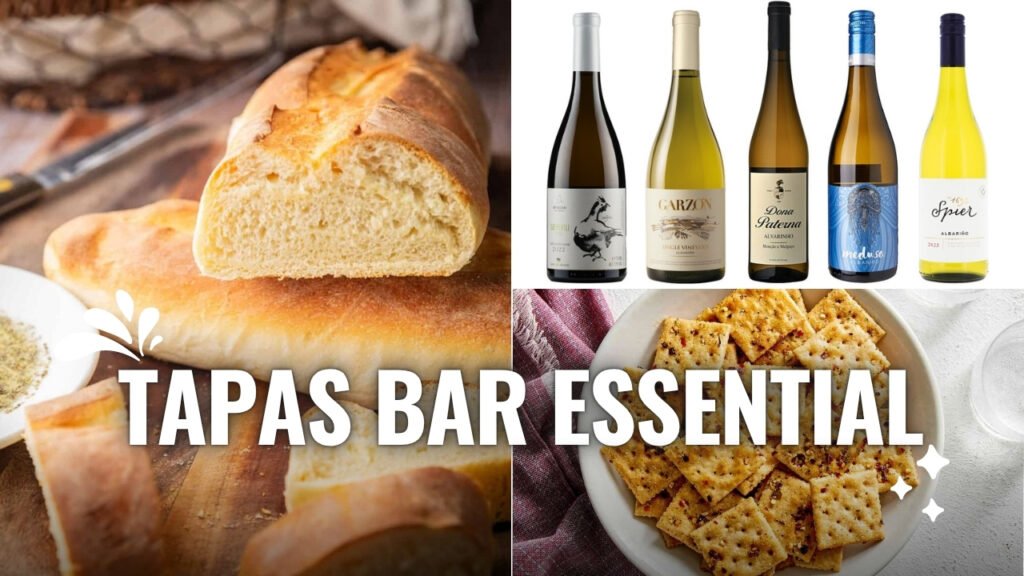
A Tapas Bar Essential
In bars and pubs across Spain, Ensaladilla Rusa is:
- Crackers or slices of crusty bread for scooping.
- Vermouth, beer, or white wine as a refreshing snack.
- Chilled as a tapa or small plate.
Controversies and Name Debates
The primary issue is with the word “Russian” in its name. It simply represents the dish’s origin. However, political tension or conflict involving Russia, the name can become problematic, leading countries and even individual establishments to separate from the association.
Alternative Names in Different Countries
- Russia & Eastern Europe: Most common name for the dish in Russia is “Salat Olivier”, It is a direct homage to its creator, Lucien Olivier., Lucien Olivier.
- United States (during the Cold War): It is commonly referred to as “Victory Salad” or “Potato Salad à la Française”, removing any reference to Russia.
- France: It is named “Macédoine de légumes” when served without meat, majorly focusing on the chopped vegetable mix rather than its Russian origins.
- Ukraine: It is now called “Olivier”, avoiding the Russian association, particularly after 2014.
Historical Moments of Renaming
- Francoist Spain: It was called “Ensaladilla Nacional” (National Salad) to support national ideas and avoid other foreign names.
- Post-WWII Europe: Some restaurants and public places in countries like Italy and the UK stopped using the name “Russian” and used more neutral or local names because of anti-Soviet feelings.
- Modern-day Spain & Beyond: Some restaurants, especially in cities like Madrid or Barcelona, now label it as “Ensaladilla” without the “Rusa” to sidestep interests and modern sensitivities.
Conclusion
Ensaladilla Rusas journey is much more interesting than it looks. It was created by a French-Belgian chef in 19th-century Moscow in rich dining rooms as a fancy and exclusive “Salade Olivier”.
Its story reflects more than just changing the tastes. It shows how food adapts to time, place, and circumstance, shaped by migration, war, politics, and personal creativity. Today, it is a symbol of cultural fusion, reminding us that recipes can travel far and can still feel at home.